







When to Wear High Socks vs. Long Pants: A Baseball Style Guide August 17 2026 0 Comments

Baseball uniforms leave plenty of room for personal style. Pants length, sock height, and color combinations can change the entire look without changing the jersey. That flexibility then creates one big question before practices, tournaments, and photo days: should players show the socks or cover them with long pants?
The answer usually comes down to comfort, team identity, field conditions, and personal preference. Both styles can look sharp, but each creates a different feel on the field. Understanding the practical differences helps players and coaches settle on a uniform style that works throughout the season.
When High Socks Make the Most Sense

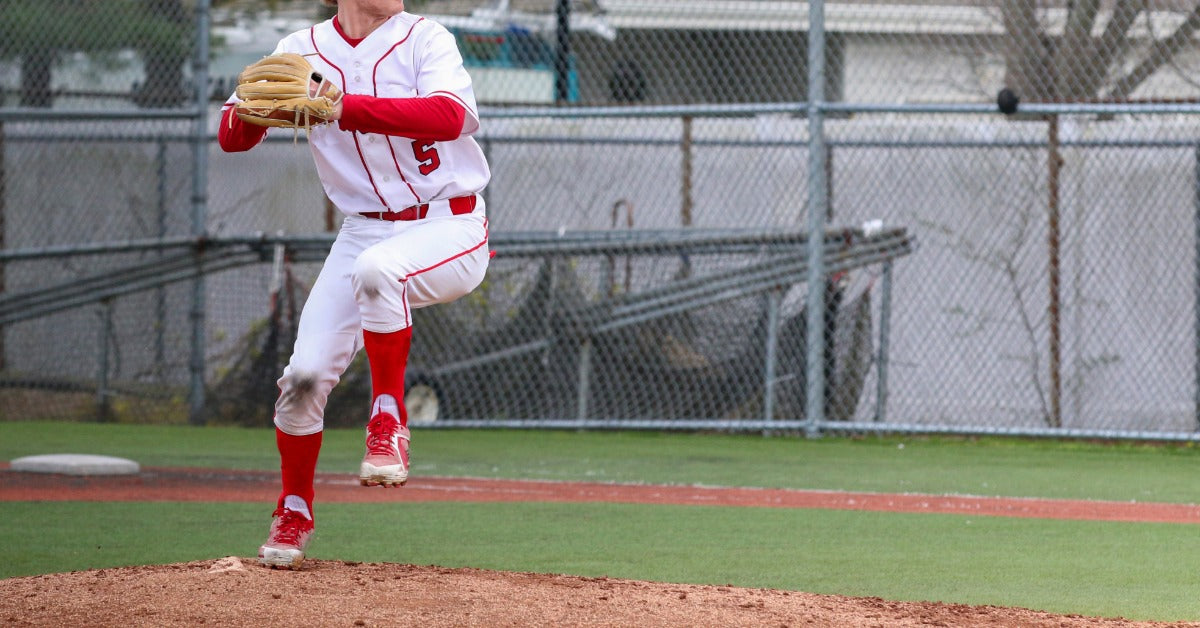
High socks create one of baseball’s most recognizable uniform looks. Players pull their pants to just below the knee or wear knicker-style pants, then let the socks become part of the visible uniform. The result gives teams an easy way to add color and personality.
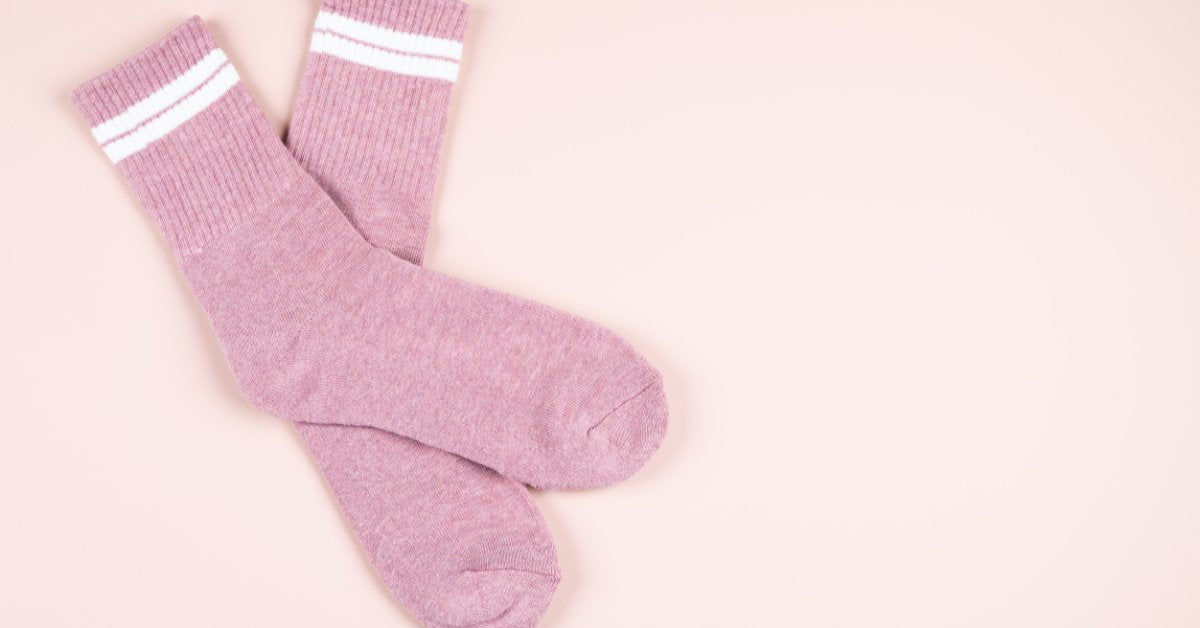
This style works especially well when a team wants its sock design to stand out. Custom baseball socks with a logo get much more attention when pants do not cover them. For teams that treat socks as a design feature rather than a hidden accessory, high socks make that choice obvious.
High socks also suit players who prefer less fabric around the lower leg, especially during warm-weather games. Others simply enjoy the traditional baseball appearance.
When Long Pants Work Better
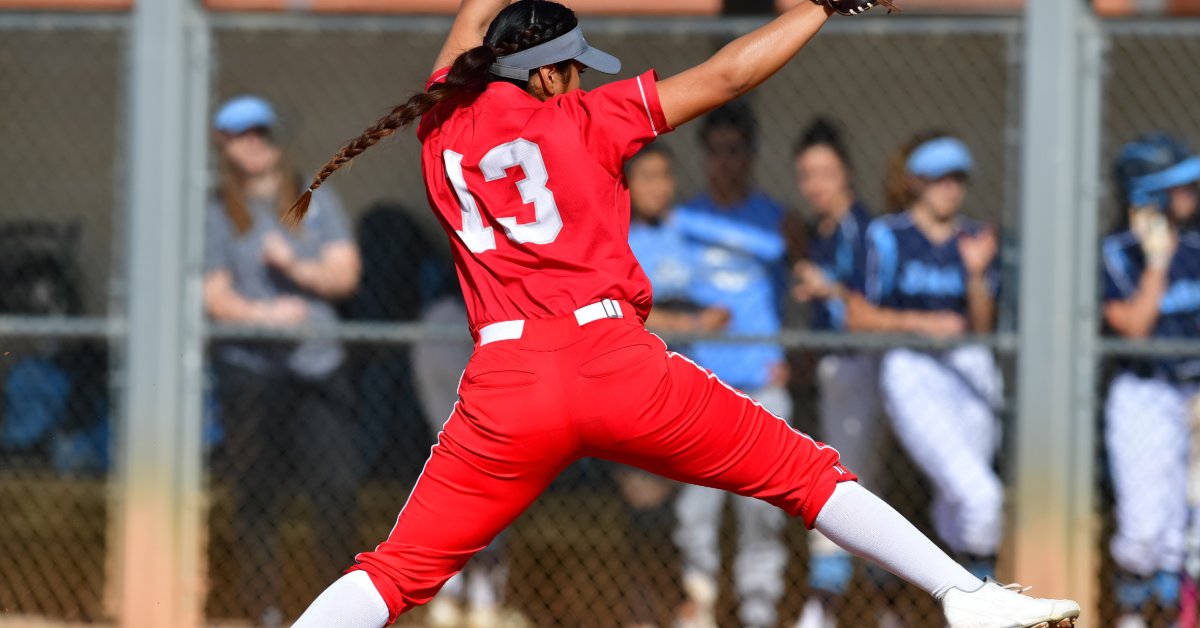
Long baseball pants offer a clean, streamlined look that many players prefer. The pants extend toward the cleats and cover most or all of the socks, which puts more visual focus on the jersey, belt, and pants. Teams that favor a simple uniform often choose this approach.
Players may also prefer long pants when they want more coverage around the lower leg. Dirt, turf pellets, and sliding contact can make exposed skin uncomfortable, while longer pants create an extra layer between the leg and the playing surface. Many players appreciate that added coverage.
Cooler weather can also push players toward longer pants. Early spring games, late fall tournaments, and evening practices may feel more comfortable with extra fabric around the lower leg. Personal preference still matters, but weather usually makes the decision easier.
How Field Conditions Affect the Choice
Field conditions can influence uniform preferences more than style alone. Dry, dusty infields typically leave socks coated with dirt, while wet fields can splash mud across anything near the ankle. Players who dislike that mess may lean toward long pants.
Artificial turf creates a different situation. Some players prefer more leg coverage because turf can feel abrasive during slides, while others choose high socks because they like less fabric bunching near the ankle. Comfort should carry more weight than assumptions about what every player should wear.
Before game day, teams can consider the surface and weather. Those details help players choose a setup that fits the environment without turning a simple clothing decision into a clubhouse debate.
High Socks Can Strengthen Team Style
A coordinated high-sock look can make a team appear more unified. Matching sock colors and patterns add another visible element that ties the uniform together, especially when players wear the same pant length. Coaches who want a consistent game-day appearance can use socks to reinforce team colors.
High socks also give youth teams, travel clubs, and school programs more room for personality. A bold stripe pattern can create energy, while a simple solid color can keep the look classic. Coordination matters more than complexity.
Teams considering when to wear high socks vs. long pants should think about whether they want socks to function as a visible design feature. If they do, high socks give that detail a clear role in the uniform.
Long Pants Create a Modern, Minimal Look

Long pants appeal to teams that want a smooth visual line from the waist to the cleats. The style feels straightforward and keeps attention on larger uniform elements. Players can still wear team socks underneath, but the socks support comfort and fit rather than visual impact.
Many players also like the flexibility that long pants provide. A player can adjust the hem or pair the pants with different sock styles underneath. That flexibility can help athletes settle into a look that feels natural. Coaches who prefer a simpler team appearance may also find long pants easier to standardize.
What Players Should Consider Before Choosing
No single style works for every player or team. Comfort and uniform expectations should shape the decision first, while appearance can break the tie. A player who constantly adjusts high socks probably will not enjoy that style, just as a player who dislikes fabric near the ankle may not enjoy long pants.
Knowing when to wear high socks vs long pants becomes easier when players compare comfort, weather conditions, field surfaces, and team expectations. A few practical questions can narrow the options without making the uniform decision more complicated than necessary. Teams can review these points before deciding on a standard look or giving players some flexibility:
- Consider how much lower-leg coverage feels comfortable during running, sliding, and fielding.
- Match the pant style to the team’s preferred uniform appearance and sock design.
- Think about heat, cold, turf, dirt, and other game-day conditions.
- Check whether coaches or leagues set uniform expectations for pants or visible socks.
- Choose a setup that players can wear consistently without constant adjustments.
Those questions keep the conversation focused on function and appearance rather than trends alone.
Can Teams Mix High Socks and Long Pants?
Some teams let players choose between the two styles, while others prefer one consistent look across the roster. A mixed approach can work when the team keeps colors, jerseys, belts, and other major elements consistent. The difference in pant length then reads as player preference instead of a mismatched uniform.
Coaches who care about visual consistency may want everyone to follow the same approach for games, tournaments, or team photos. Practices can offer more flexibility, and clear expectations prevent confusion. Teams should also think about how custom sock designs fit into that decision. If the socks carry an important visual element, long pants may hide part of the design.
Which Baseball Style Should a Team Choose?
High socks work best for teams that want a classic look, more visible color, or a stronger sock-focused design. Long pants suit players who prefer more coverage and teams that want a cleaner, more minimal appearance. Weather and playing surface can also influence which option feels better.
Let Comfort and Consistency Break the Tie
The strongest choice usually matches the team’s identity while keeping players comfortable. A coordinated roster can look polished in either style, so teams do not need to chase a single correct baseball look. Clear uniform expectations matter more than whether the socks show.
Baseball style changes over time, but both options continue to earn a place on the field. High socks bring personality and tradition, while long pants offer simplicity and coverage. Teams that understand the trade-offs can choose a look that fits their players and makes the uniform feel complete.