







Position-Specific Baseball Socks: Catchers, Pitchers & More April 07 2026 0 Comments

Baseball players obsess over gloves, bats, and cleats, but many players overlook socks. Experienced coaches know that every piece of gear affects performance. Socks influence comfort, stability, and durability during long innings and doubleheaders. When teams choose position-specific baseball socks, they support how each athlete actually plays the game.
Different positions demand different movement patterns. Catchers crouch for hours, pitchers push off the mound, and outfielders sprint across grass. Each role creates unique friction points and pressure zones on the lower leg and foot. Socks designed for those differences help players stay comfortable and focused.
Many teams turn to SocksRock when they want socks that combine performance with sharp custom designs. We specialize in high-quality custom socks for teams and organizations since 2003. Teams value gear that looks great and performs well throughout the season.
Why Position Matters More Than Most People Think
Every baseball position requires different movement. Those movement patterns affect sock wear and support needs. The wrong sock causes bunching, slipping, or hot spots during play. Smart teams choose gear that matches the demands of each position.
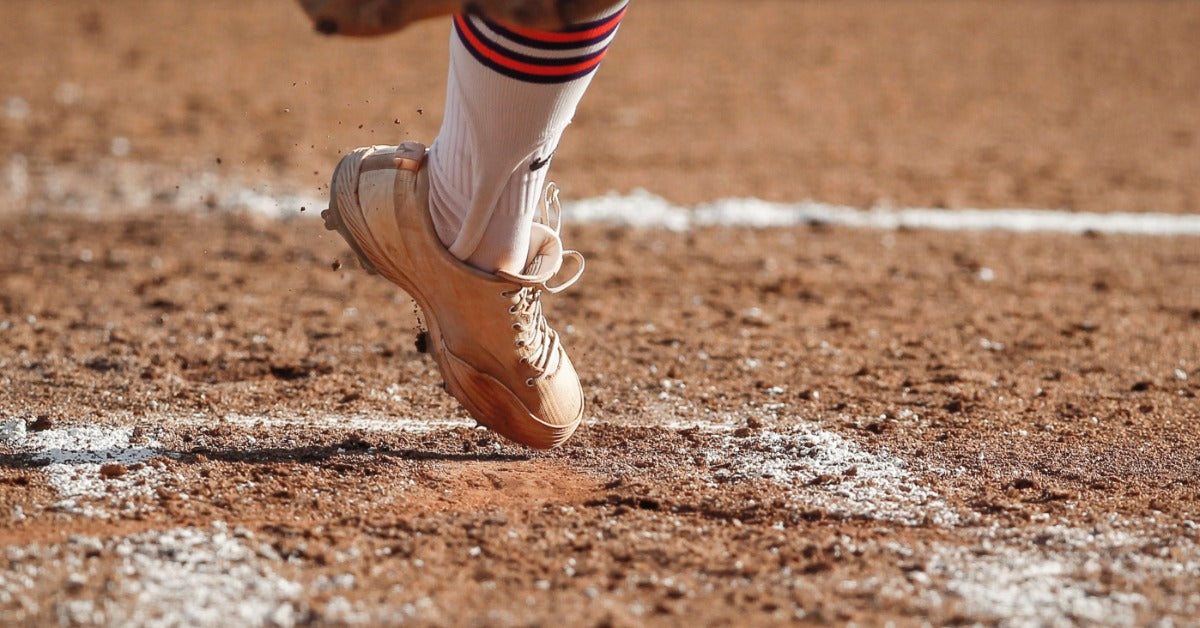
Pitchers plant their lead foot dozens of times in a game. That push-off motion stresses the heel and ankle. Catchers grind their gear into the dirt during every pitch. Outfielders sprint and change direction constantly.
That reality explains why many teams now choose position-specific baseball socks when designing uniforms. Gear that supports movement helps players stay comfortable throughout the game.
Catchers Need Durability and Cushion

Catchers spend more time in a crouch than any other player, and that position creates pressure along the ankle, calf, and shin. Socks must provide padding while remaining breathable under protective gear. Socks that slide down create irritation and distraction. Catchers benefit from socks that include:
- Reinforced heel and toe areas
- Extra cushioning along the shin
- Moisture-wicking material for long innings
- Compression zones that support calf muscles
These features keep catchers comfortable during long games. Durable construction also prevents early wear. Many teams choose thicker knit patterns for catchers because stronger fabric handles friction better. Reinforced areas help socks withstand the physical demands behind the plate.
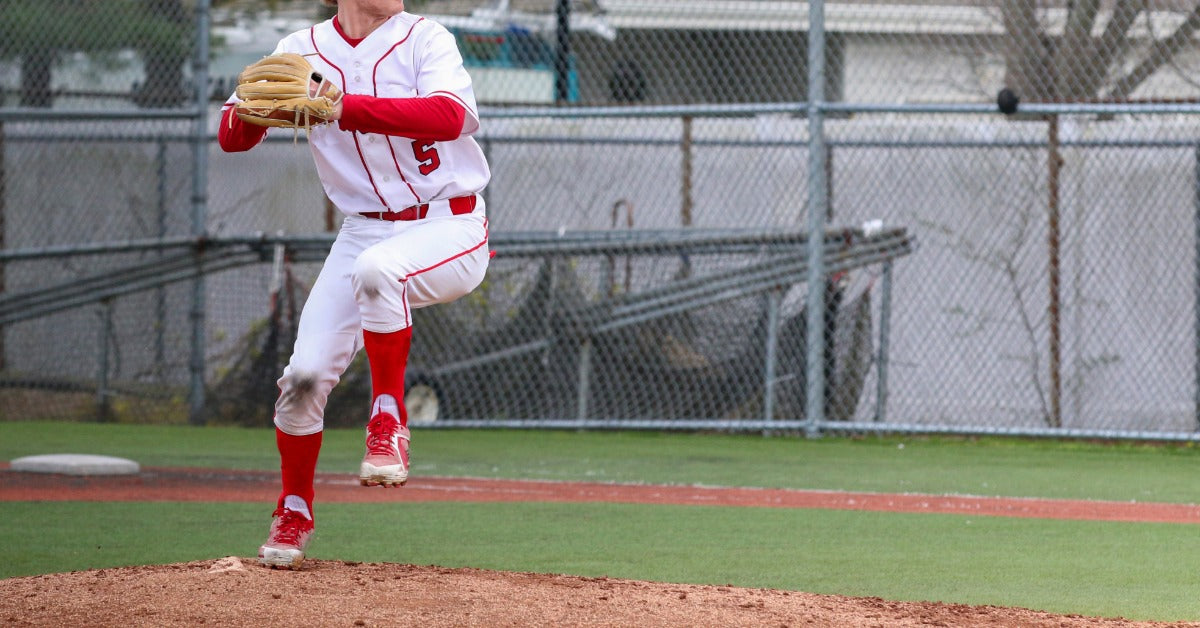
Pitchers Need Stability and Flexibility
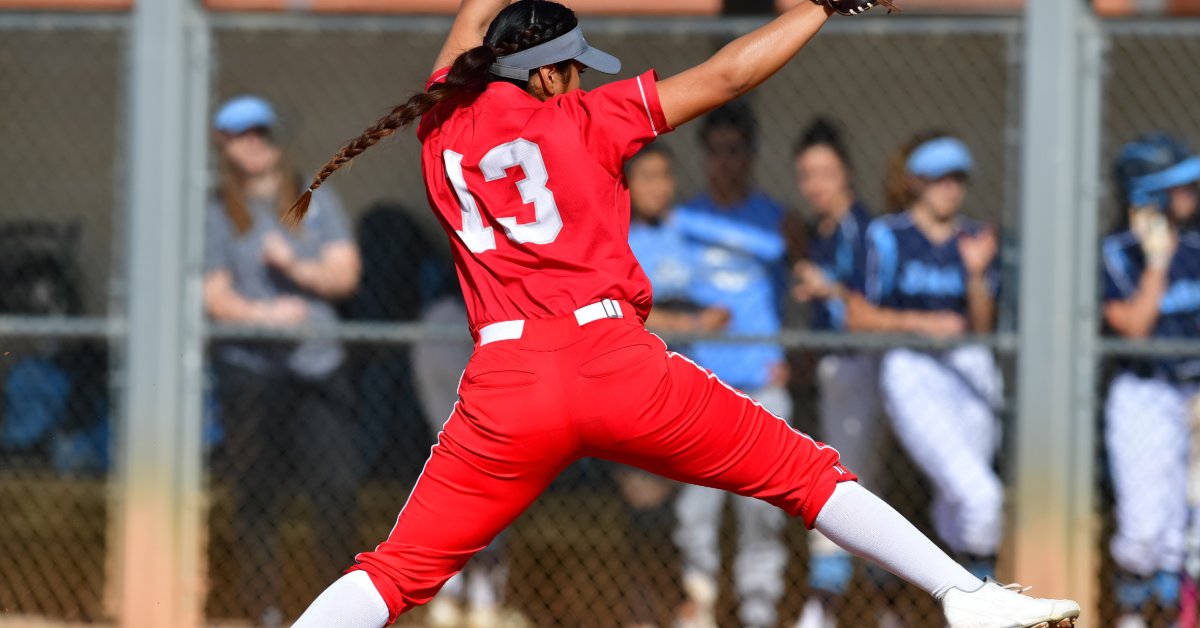
Pitchers rely on balance and explosive motion during every delivery. The pitching stride places heavy pressure on the foot during push-off and landing. Socks that slip or bunch disrupt that rhythm. Stable footing supports both performance and injury prevention. Pitcher-friendly socks often include:
- Compression bands around the arch
- Elastic support along the ankle
- Lightweight fabric for flexibility
- Reinforced heel panels
These features stabilize the foot during every pitch. Many pitchers prefer a snug fit that prevents extra fabric movement. Teams often add bold stripes or logos to pitcher socks as well. Custom designs allow teams to match socks with the rest of the uniform.
Infielders Need Mobility and Grip

Infielders move constantly during a game. They shuffle laterally, charge ground balls, and pivot quickly during double plays. Socks must support quick movement without creating friction.
Lightweight materials work best for these high-movement positions. Infield-focused socks often include:
- Stretch knit zones for ankle mobility
- Breathable mesh panels
- Compression support through the arch
- Snug calf construction that prevents slipping
These details help players stay quick and comfortable. Flexible socks allow infielders to react naturally without restriction. Many teams choose lightweight custom athletic socks that support quick reactions and consistent movement.
Outfielders Need Lightweight Performance
Outfielders cover the most ground during a game. They sprint, track fly balls, and change direction rapidly. Heavy socks trap heat during hot summer games.
Lightweight fabrics help outfielders stay cool while maintaining support. Great socks for outfielders often include:
- Moisture-wicking yarn
- Breathable ventilation panels
- Thin cushioning that supports speed
- Durable toe construction
These socks reduce distractions during long defensive stretches. Players stay comfortable even under intense summer heat. Lightweight knit designs help outfielders maintain speed without sacrificing durability.
Youth Teams Benefit From Customization
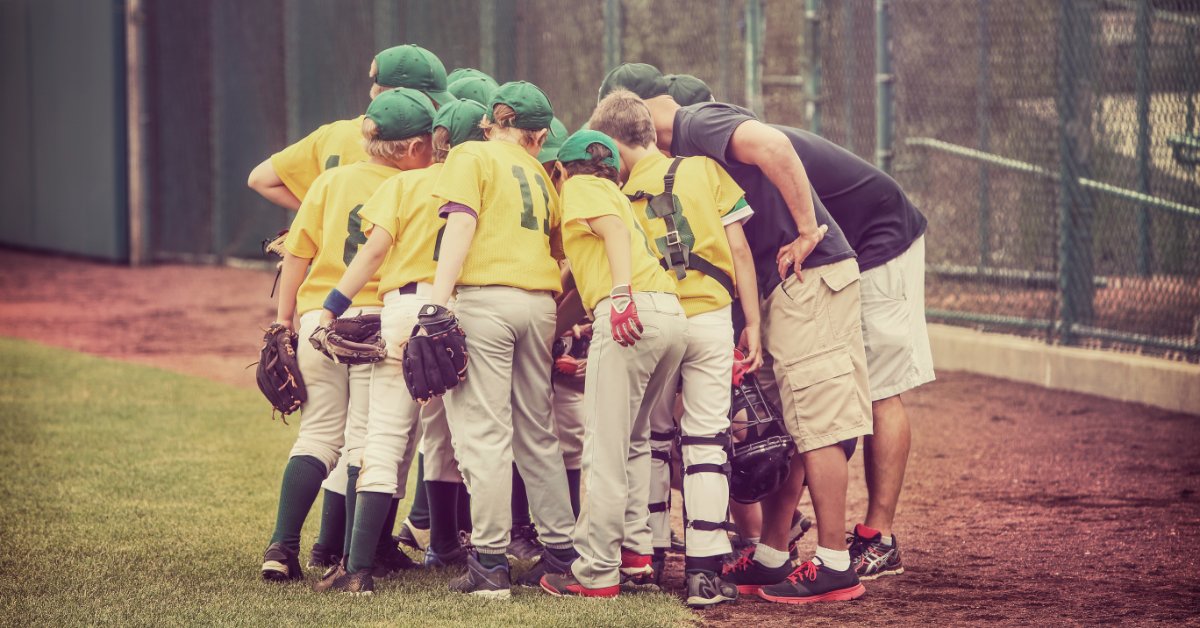
Youth leagues emphasize team spirit and uniform identity. Custom socks give young players a sense of pride on the field. Bright colors and creative patterns help teams look organized and confident. Many leagues choose custom youth baseball socks that match jersey colors.
Coaches appreciate uniforms that look sharp during tournaments and league play. Parents appreciate durable materials as well. Kids slide hard and play aggressively throughout the season. High-quality athletic socks help reduce replacements and keep uniforms consistent.
Comfort Improves Performance
Players perform better when the equipment stays comfortable. Socks that slide or create blisters pull attention away from the game. High-quality socks support muscles and regulate temperature. Small improvements in comfort lead to better focus during games.
Comfort becomes even more important during tournaments or doubleheaders. Players may spend hours on the field across several games. Breathable socks help control heat and reduce fatigue. Comfortable athletes stay focused on strategy, teamwork, and execution.
Durability Saves Teams Money
Teams purchase uniforms every season, but they still want equipment that lasts. Cheap socks wear out quickly around the heel and toe. Players then scramble for replacements midseason. Coaches and parents rarely enjoy that situation.
Strong athletic socks solve that problem with durable materials. Reinforced zones protect areas that face the most friction. Durable yarn blends also resist stretching and fading. Reliable construction keeps socks performing well throughout the season.
What Teams Should Look For When Ordering
Coaches and team managers should evaluate several key features before ordering baseball socks. Performance matters just as much as appearance. The right combination helps players stay comfortable throughout the season. Important features include:
- Moisture-wicking athletic yarn
- Reinforced heel and toe construction
- Breathable mesh panels
- Stretch zones for flexibility
- Durable color patterns that resist fading
These features support players across every position. The right socks balance comfort, durability, and team identity. Experienced manufacturers like SocksRock, which focus on athletic socks, help teams achieve that balance.
Small Details Create Big Advantages
Baseball games often hinge on small details. A perfectly timed slide or quick pivot can change the outcome of a game. Equipment plays a role in those moments. Even socks influence how players move and feel.
Teams that choose position-specific baseball socks treat gear as part of their performance strategy. Each position benefits from slightly different support and materials. Smart sock design helps athletes stay comfortable and confident.
Players rarely mention socks in postgame interviews. Still, those small pieces of gear support every inning, every sprint, and every play. The right socks combine durability, comfort, and team style in one simple piece of equipment.