







How Custom Athletic Socks Help Prevent Blisters & Hot Spots January 27 2026 0 Comments

Have you ever been in the middle of a big play, sprinting toward the goal, when you feel that familiar, burning sting on your heel? It starts as a small irritation—a "hot spot"—and before you know it, you're limping off the field with a painful blister. It’s frustrating, distracting, and completely preventable.
Many athletes pour time and money into finding the perfect shoes. They analyze arch support, cushioning, and grip. Yet, they often overlook the layer of fabric that sits directly against their skin. The truth is, your socks matter as much as your cleats or sneakers. Poorly fitting, generic socks trap moisture and bunch up, creating the perfect storm for foot injuries.
Choosing the right gear involves more than just picking team colors. It requires understanding the mechanics of how your feet move and react to stress. High-quality, custom socks do more than look professional; they serve as a critical piece of protective equipment. Let's explore how custom athletic socks help prevent blisters and hot spots, so you can stay in the game and off the sidelines.
Understanding the Enemy: What Causes Blisters?
To defeat blisters, you must first understand how they form. A blister is essentially a bubble of fluid that develops beneath the outer layer of skin. It acts as a cushion to protect damaged tissue, but for an athlete, it signifies a breakdown in defense.
Three primary culprits work together to create blisters: heat, moisture, and friction. When you run, jump, or slide, your feet generate significant heat. This heat causes you to sweat. If your socks don't manage that sweat effectively, your skin softens. Soft, wet skin is far more susceptible to damage than dry skin.
Then comes friction. As your foot moves inside your shoe, rubbing occurs. If your sock slips, bunches, or has rough seams, that rubbing intensifies. The combination of soft, wet skin and repetitive rubbing separates the skin layers, allowing fluid to fill the space. A hot spot is the warning sign—that red, tender area that appears right before the blister forms. Ignoring it usually guarantees a painful outcome.
The Role of Moisture Management
Moisture is the silent killer of athletic performance. Cotton socks, while popular for casual wear, act like sponges. They absorb sweat and hold it right against your skin. Once wet, cotton loses its shape and increases friction.
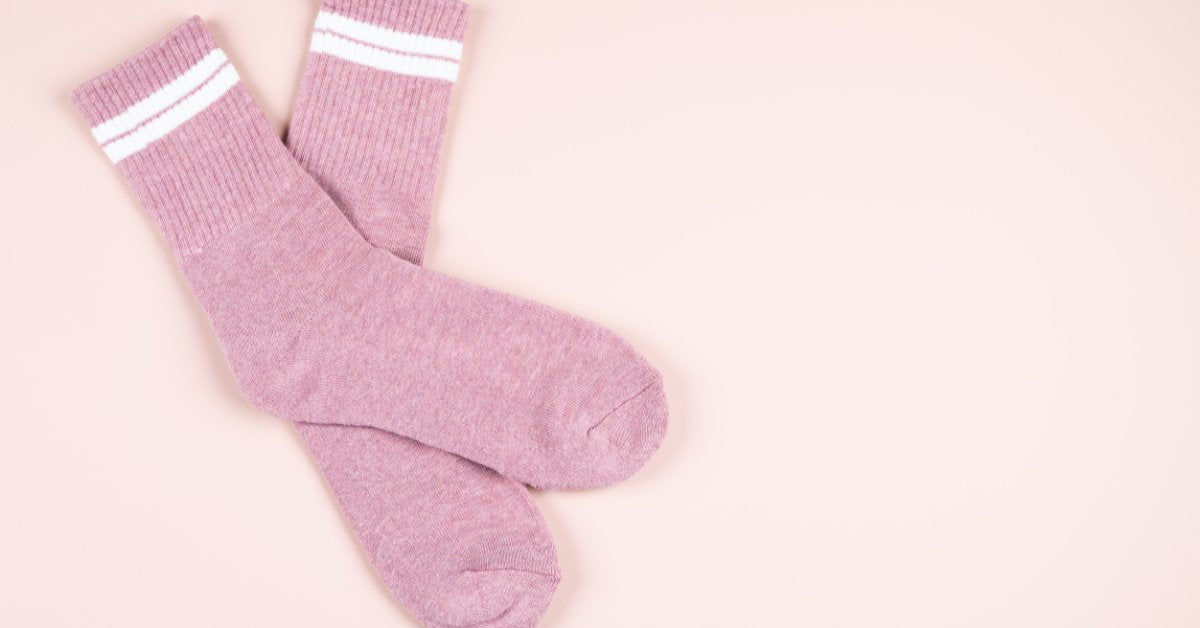
Custom athletic socks typically use advanced synthetic fibers such as polyester, nylon, or merino wool blends. These materials possess moisture-wicking properties. Instead of absorbing sweat, the fibers pull moisture away from the skin and move it to the outer surface of the sock, where it can evaporate through the shoe's ventilation.
By keeping your feet dry, these socks maintain the integrity of your skin. Dry skin resists friction much better than damp skin. When you customize your team's gear, selecting these high-performance materials ensures every player benefits from superior moisture control. This simple switch drastically reduces the likelihood of hot spots developing during long practices or double-headers.
The Importance of a Precision Fit
One size rarely fits all, especially in sports. Generic tube socks often come in broad size ranges. A sock that claims to fit sizes 6 through 12 will inevitably be too loose on a size 6 foot and too tight on a size 12 foot.
Loose fabric creates folds and wrinkles inside the shoe. Every wrinkle creates a pressure point. As you run, that wrinkle rubs against your skin thousands of times. This is a direct express lane to Blister City. Conversely, socks that are too tight restrict toe movement and can cause nails to dig into adjacent toes.
Custom athletic socks offer tailored sizing options. A proper fit hugs the contours of the foot without constricting it. It stays in place during rigorous movements. Key features like arch support bands add to this stability, and the elastic band around the arch prevents the sock from twisting or sliding down into the heel of the shoe. When the sock acts as a second skin, friction occurs between the shoe and the sock, not the sock and your skin.
Seamless Construction Eliminates Friction Points
Take a look at a cheap pair of socks. Turn them inside out. You will likely see a thick, bulky ridge of stitching running across the toes. This part of the sock is the toe seam. For an athlete, this seam is a constant source of irritation.
During a game, your toes constantly push against the front of your shoe. That bulky seam rubs against the top of your toes with every step. Over the course of a game, this repetitive trauma wears down the skin.
Manufacturers design high-quality custom socks with seamless toes or flat-knit seams. This construction technique links the fabric together without creating a ridge. The result is a smooth surface that glides over your toes rather than grinding them.
By eliminating this common pressure point, you remove one of the most frequent causes of forefoot blisters. It seems like a small detail, but halfway through a marathon or a tournament, your toes will thank you.
Targeted Cushioning for High-Impact Zones

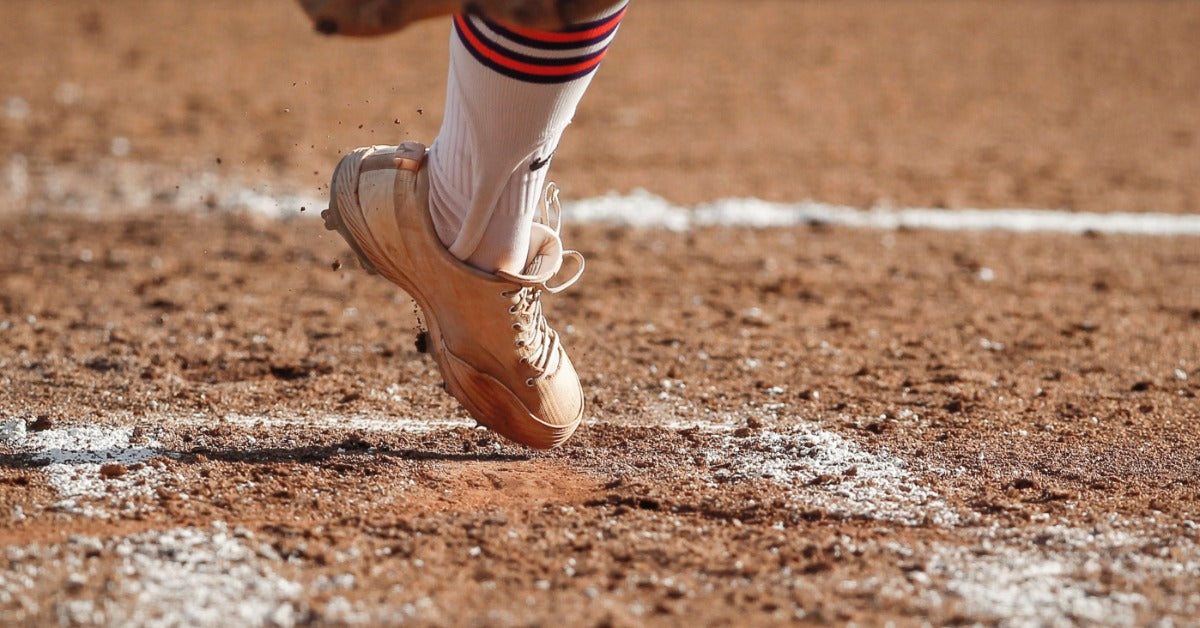
Every sport places unique stresses on the foot. A runner strikes heavily on the heel and ball of the foot. A tennis player exerts pressure on the sides of the foot during lateral movements. Generic socks provide a uniform thickness that ignores these specific needs.
Custom athletic socks often feature targeted cushioning. This involves knitting a thicker, denser fabric into specific high-impact areas, such as the heel and the ball of the foot. This extra padding serves two purposes. First, it absorbs shock, reducing the impact on your joints. Second, and more importantly, it reduces shear force for blister prevention.
Shear force happens when the bone moves in one direction while the skin stays stationary (or moves in the opposite direction). Cushioning dissipates this force. It allows for a tiny amount of movement within the sock's padding rather than on the skin's surface. This internal absorption protects the skin from the shearing that tears tissue layers apart.
Psychological Benefits of Comfortable Feet
While we focus on the physical mechanics, we shouldn't underestimate the mental aspect of the game. Pain is distracting. When an athlete feels a hot spot developing, they subconsciously alter their gait to avoid the pain. This change in mechanics can lead to other injuries in the ankles, knees, or hips.
Knowing that your gear protects you allows for total focus. When you don't have to worry about your feet, you can focus on the play, the opponent, and the strategy. Comfort breeds confidence.
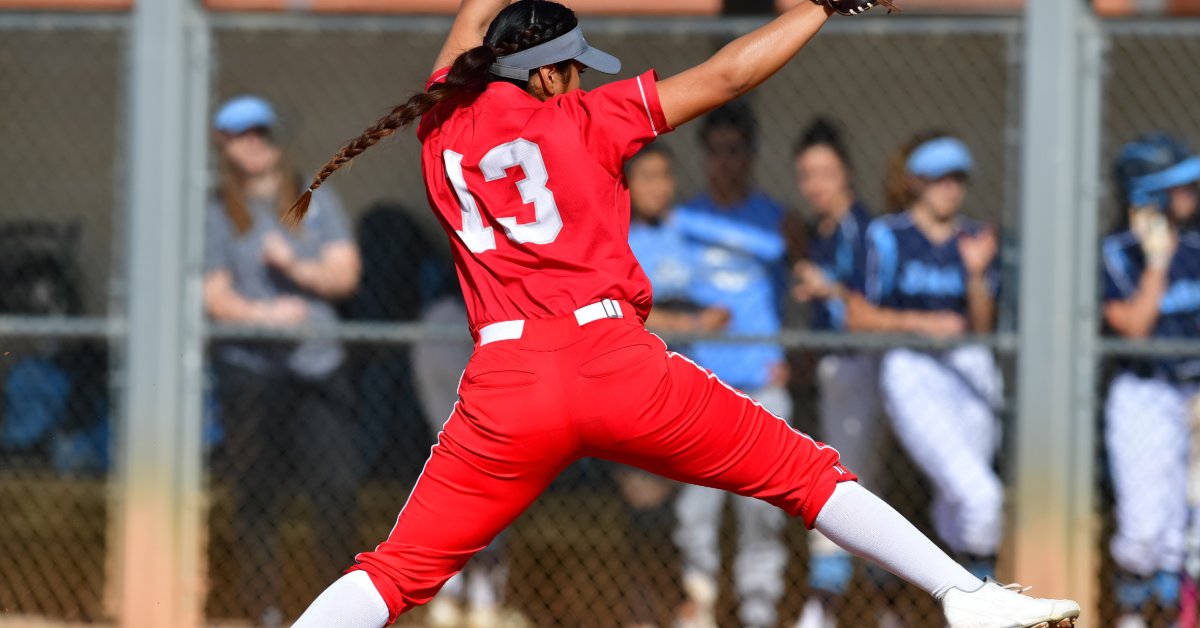
Furthermore, custom socks foster team unity. When a team looks professional, they feel professional. Wearing matching custom softball socks creates a sense of cohesion and pride. But beyond the aesthetic, knowing that the coach invested in high-quality gear that prevents injury sends a message that player health is a priority.
Choosing the Right Socks for Your Sport

Different sports require different sock heights and features. Soccer players need tall socks to cover shin guards. Basketball players often prefer crew or quarter-length socks with heavy cushioning. Cyclists need thin, aerodynamic socks.
When ordering custom gear, consider the specific movements of the sport.
- Running/Soccer: Look for superior moisture-wicking and a snug fit to prevent sliding.
- Basketball/Volleyball: Prioritize cushioning to handle vertical impact and lateral movement.
- Baseball/Softball: Focus on durability and calf protection (especially for sliding).
Customization lets you tailor not just the logo and colors, but also the performance features that match your specific activity. This targeted approach is how custom athletic socks help prevent blisters and hot spots more effectively than off-the-shelf alternatives.