







10 Baseball Sock Mistakes That Can Ruin a Uniform October 27 2026 0 Comments

A baseball uniform should create a consistent appearance while keeping players comfortable throughout every inning. Jerseys, pants, and caps usually receive the most attention, but socks also help complete the team's look. Poor sock choices can disrupt a coordinated uniform and create unnecessary distractions during games.
From mismatched colors to incorrect lengths, small details make a noticeable difference when teammates stand together. Coaches sometimes overlook these issues until opening day, when everyone arrives wearing different combinations. A few decisions before the season can prevent rushed adjustments and help the whole roster look ready.
Choosing the Wrong Sock Length
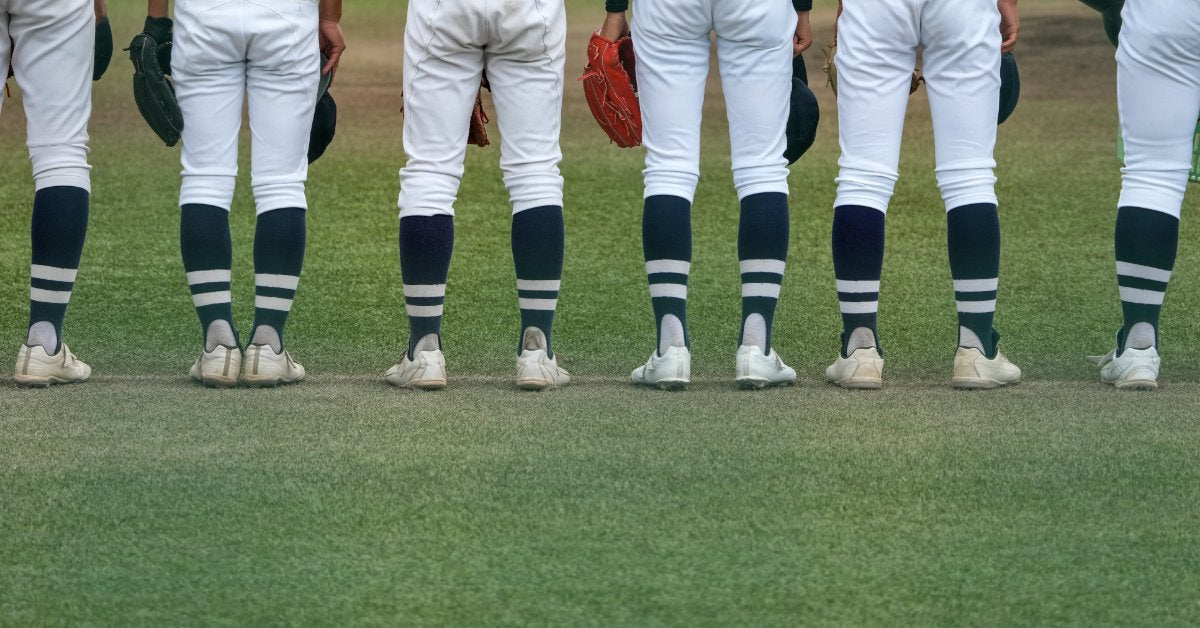
Sock length influences how baseball pants sit and how much team color appears below the knee. Players who wear traditional knicker pants generally need longer socks that cover their calves, while full-length pants offer greater flexibility. Short socks paired with high cuffs can expose skin and interrupt the uniform's intended appearance.
Teams should choose a standard sock length before purchasing uniform accessories, especially when players wear different pant styles. Coaches can compare product measurements with the team's pants to determine appropriate coverage. That quick check beats watching half the lineup pull their socks higher before the first pitch.
Wearing Socks That Don't Match Team Colors

One of the most noticeable baseball sock mistakes that can ruin a uniform involves choosing the wrong shade, which can immediately undermine team consistency. Navy blue, royal blue, and black might seem interchangeable in an online product listing, but they look different in daylight. Socks that clash with jerseys or pants make matching uniforms appear less coordinated.
Teams should compare socks with their official uniform colors rather than relying on general color names. A physical sample, when available, can reveal subtle differences that indoor lighting hides. Coaches can then make a confident choice before ordering for the entire roster.
Overcomplicating Sock Designs
Bold patterns can give baseball uniforms personality, but excessive graphics sometimes compete with team logos. Oversized stripes or crowded artwork can distract from an otherwise clean combination of jersey and pants. A sock design that looks exciting alone might overwhelm the complete outfit.
Coaches should consider the uniform as a whole before approving a pattern. Simple accents or carefully placed team graphics often add interest without dominating the look. After all, teammates should resemble one baseball team rather than several unrelated designs.
Selecting Socks With an Improper Fit
Choosing poorly fitting socks is another baseball sock mistake that can ruin a uniform while distracting players throughout a game. Oversized pairs may bunch near the ankles or slide down the calves, while undersized options can create uncomfortable pressure. Neither situation helps an infielder focus on a difficult ground ball.
Sizing deserves special attention for youth teams because players can have different foot measurements within the same age group. Coaches should use the manufacturer's sizing chart instead of assuming one size suits everyone. A proper fit helps socks maintain comfortable coverage through practices and games.
Overlooking Material and Construction
Fabric choice affects how socks feel during long practices and tournament days. Certain materials manage moisture better than others, and cushioning can reduce friction inside cleats. Thin fabric or weak construction may also wear quickly around the heel and toe.
Teams should compare composition, cushioning, and care instructions alongside colors and designs. Reinforced areas may provide extra durability where repeated movement creates stress. Players appreciate comfortable equipment, even when nobody in the stands notices the difference.
Mixing Different Sock Styles Across the Team
Uniform consistency becomes difficult when players arrive in different sock designs, even if everyone chooses the right colors. One player might wear solids, another might prefer stripes, and a third might bring a completely different pattern. Individually, those options may look fine, but together they create an uneven appearance.
Coaches can prevent confusion by sharing clear sock requirements before distributing uniforms. The following checklist gives players and families straightforward expectations:
- Approved colors: Match the team's established uniform palette.
- Required length: Choose the height that works with approved pants.
- Design consistency: Follow the team's choice of solid colors, stripes, or graphics.
- Replacement standards: Purchase the same style when an original pair wears out.
Keeping these details in a team message makes them easy to reference later. Returning players can also check the requirements before deciding whether last season's socks still work.
Wearing Worn-Out or Damaged Socks
Even coordinated uniforms can look neglected when players wear socks with faded colors, stretched cuffs, or visible holes. Frequent washing and heavy use gradually affect fabric appearance during a busy baseball season. Loose cuffs can also slip down and interfere with the planned uniform style.
Players should inspect their socks periodically and replace pairs that show substantial wear. Families can keep an extra set in the equipment bag for tournaments or back-to-back games. Nobody wants a missing sock to become the morning's biggest clubhouse emergency.
Forgetting About Cleat Compatibility

Baseball socks need to work with the footwear players actually wear. Fabric that bunches inside cleats can create pressure points, while inadequate coverage may allow shoes to rub against skin. Small irritations can become particularly frustrating during long tournaments.
Players should try socks with their game cleats before opening day. Walking, jogging, and practicing fielding movements can reveal problems that a quick fitting misses. Fixing those issues early leaves fewer distractions once games begin.
Ordering Socks Too Close to Opening Day
Waiting until the last minute to order baseball socks can create unnecessary complications before the season begins. Last-minute decisions leave less room to confirm sizing, review designs, or handle roster changes. Coaches may struggle to distribute matching pairs before the first game.
Planning ahead provides more control over the ordering process. Coaches should confirm roster counts and collect sizes before choosing custom baseball socks for their players. SocksRock offers team sock options that coaches can coordinate with their established uniform designs.
10. Forgetting About Replacement Pairs
Ordering only enough pairs for the opening roster leaves little flexibility when socks disappear or new players join. Midseason replacements may require additional coordination, especially if the team chose a specific pattern. One lost pair should not create a uniform scramble.
Coaches can consider ordering a few extras in common sizes when their budget permits. Keeping those pairs alongside other team equipment makes replacements more convenient. A small reserve can help the roster maintain its appearance through the final game.
Keep Every Uniform Detail Game-Ready
A coordinated baseball uniform depends on more than matching jerseys and pants. Choosing suitable lengths, checking colors, and confirming fit can prevent avoidable appearance and comfort problems. Clear team expectations also make preparation easier for players and families.
SocksRock helps teams coordinate their look with personalized sock designs that complement their uniforms. Explore the available options before the season starts so every player can step onto the field with socks that match the team's style.